Thursday, 12 December 2019

Tips for Keeping Your Lawn Green in Summer

Summer is a time for beautiful blue skies and lush green lawns, but what if your lawn is starting to look a little on the dry side? No need to panic, these simple tips can help you bring your lawn back to life in no time!
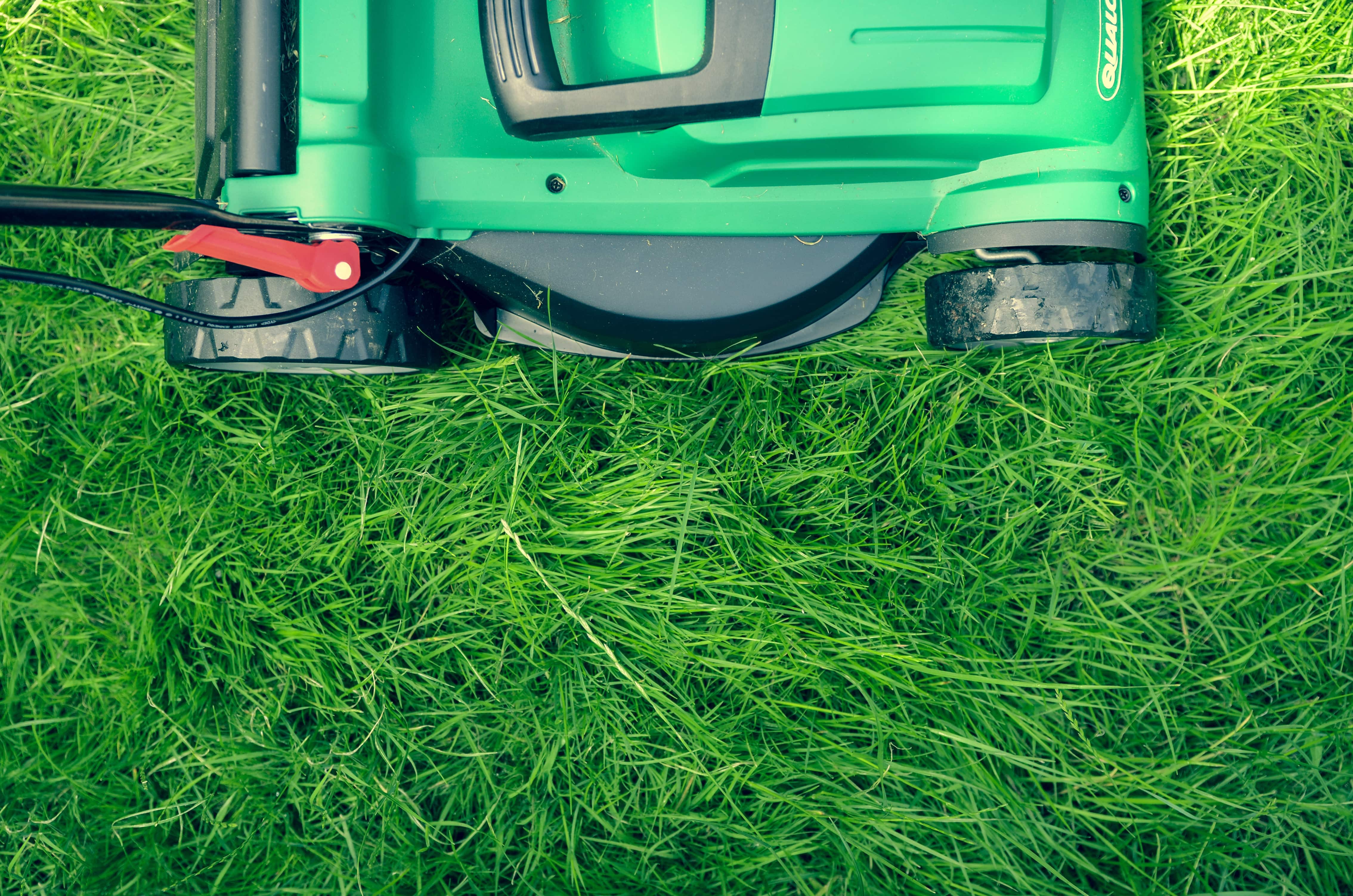
green lawnmower on grass

Know When to Mow

Believe it or not, lawnmowers can actually scorch your grass permanently. Mowing in the afternoon is especially dangerous, since this is when the sun is at its hottest and has a higher chance of burning the lawn. While mowing should be done frequently, timing is very important to keep in mind. It is also a good rule to keep your grass at a minimum of 3 inches from the ground, as anything shorter could also lead to lawn damage.
dewdrops on grass in the dark

Water Wisely

If you live in a drier climate, you may need to water the lawn more frequently to ensure adequate moisture and prevent your plants from going “dormant” as they would in the winter. However, as with mowing, timing is extremely important. While it may be most convenient to water during the day, the best time to water is either early morning or late evening. The trick is to provide the water at a time where the sun won’t quickly evaporate it back into the air. Early mornings and late evenings tend to have cooler temperatures and a lack of harsh sunlight, allowing your lawn to be fully nourished by the water.
pair of black shoes on a grass lawn

Mind the Foot Traffic

Many lawns have that one little corner or area that’s perfect for using as a shortcut to the house. However, over time, the grass in this area can become worn and you’ll start to notice the path becoming more and more apparent. There are a few ways to combat this, including temporarily rerouting traffic until the area heals or putting down garden stones if you’d like to make the shortcut a little more permanent. You can also over-seed the area(s) once early autumn hits which will help to recover and thicken up the grass for next year.
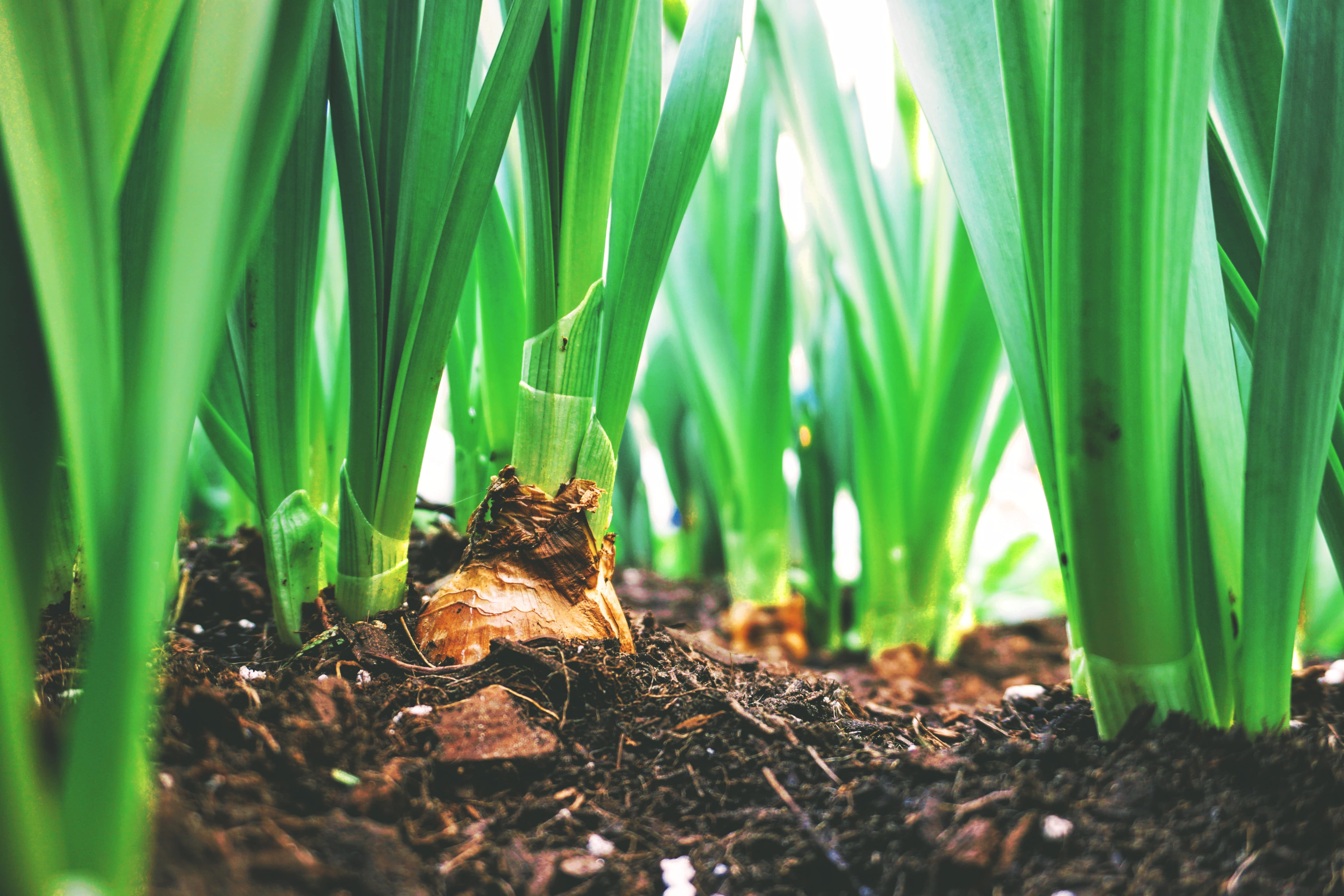
closeup of grass growing from dirt

Fertilize & Protect

Try using a slow-release fertilizer to replenish nutrients if your lawn is starting to fade and dry out. Some can even make your grass less susceptible to burns in the summer. If you start to notice brown patches that won’t go away, however, there might be an insect infestation. The summer is no stranger to insects that can damage your lawn, so it’s best to know the early signs and take action

5 Easy Tips For Decorating A Small Patio

When it comes to decorating, space isn’t always an option. With limited patio space, it can often be difficult to find the right furniture to create the look that you want. Many people will just give up early on. They’ll add a grill and a couple chairs and call it a day. But with some time and a little bit of planning, you can transform your patio into the perfect little space. Here are some design tips to help you decorate a smaller patio.

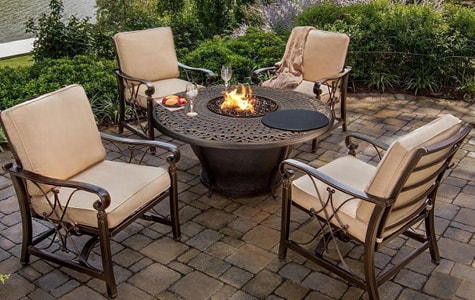
patio furniture

Keep It Simple:

You don’t want to overstuff your smaller space and make it feel cramped. Do you want the focus of your patio to be a  dining table set? Are you looking to relax on some resin wicker furniture? Plan out your purpose and style ahead of time, choose your course of action, and fill your patio with more of a minimalist approach.

Scale Down Your Decor: 

Keeping most of your items smaller in size can help you maximize your limited space and keep it from feeling crowded. One or two if your items can be a bit larger if you’d like them to stand out and set the scene.

Use Unique Pieces: 

When it comes to unconventional decor, less is more. This is perfect for decorating small spaces. Adding a couple of vintage pieces can immediately add a little character to a space and give it the pop that it needs.

wicker furniture

Mix In Some Color:

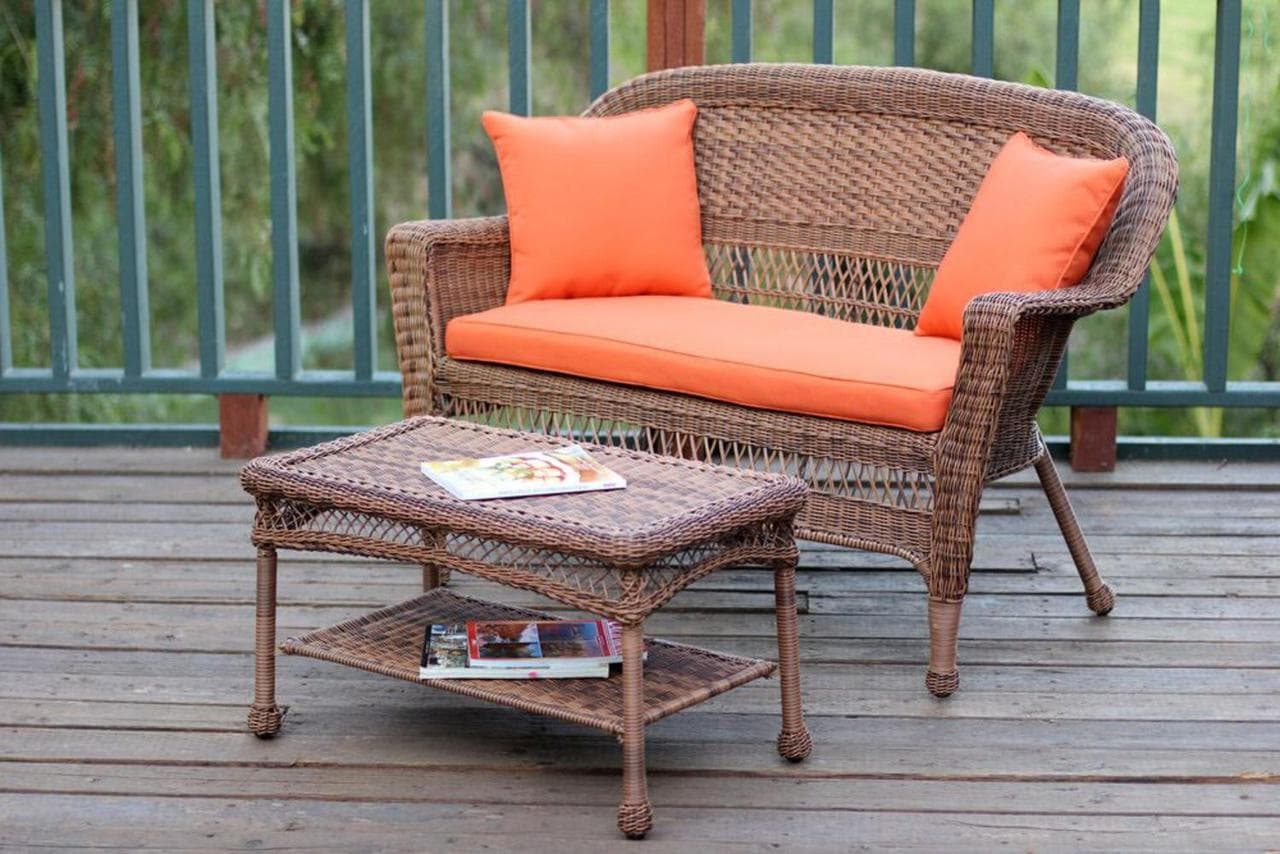
Much like above, adding a little bit of color to bring a bit of pop to your patio can help distract from the limited space. Mixing in a few brighter accessories to a neutral toned theme could be all that you need. Think about adding some color with this  2-piece Wicker Patio Orange Cushion Loveseat and Coffee Table Set. You could also think about adding some colorful outdoor pillows, or maybe an outdoor rug.

Mirrors: 

Not just for indoors, adding mirrors can create the illusion of greater depth, helping to give the illusion of a larger patio. Be sure the mirror you have is built for outdoors, and that you set it up to withstand wind and keep it from falling and shattering.

Think Vertical: 

With limited space, you won’t be able to go wide with most of your decor, so go high instead! Use your walls to help complete the look. For example, adding shelves to your patio can allow you to decorate without cluttering things up.

Relax Outside With These 5 Backyard Hammock Ideas

The backyard is one of the most versatile parts of any home. It can easily be used to entertain guests and cook food, but sometimes you just need a place to unwind. With summer in full swing, now’s the time to add the piece of furniture that’s guaranteed to help you relax: a hammock.
If you’ve been dying to have a hammock of your own, but aren’t sure where to put one, we’re here to help. Here are 5 hammock ideas for your backyard:

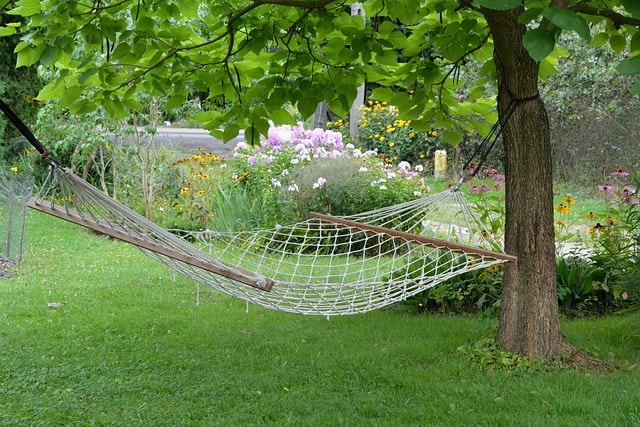
hammock in shade

1: Find A Little Shade:

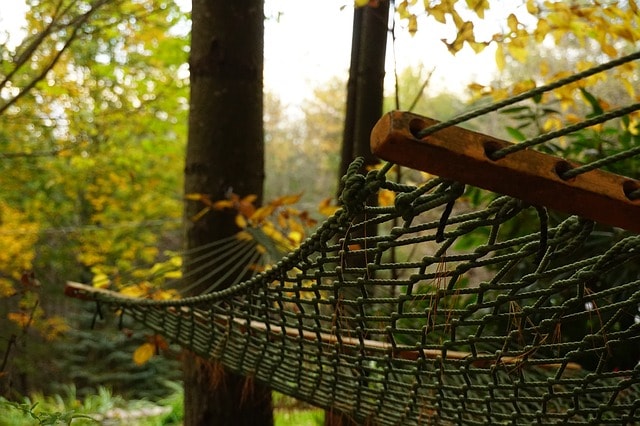
A shaded retreat under some trees makes for a great hammock spot, especially if you’re looking for a place that’s a little more secluded. Not only is this simple setup perfect for a minimalist backyard, but it will also keep the sun out of your eyes while you read or nap.

white cotton hammock chair

2: Make An Addition To Your Patio Furniture:

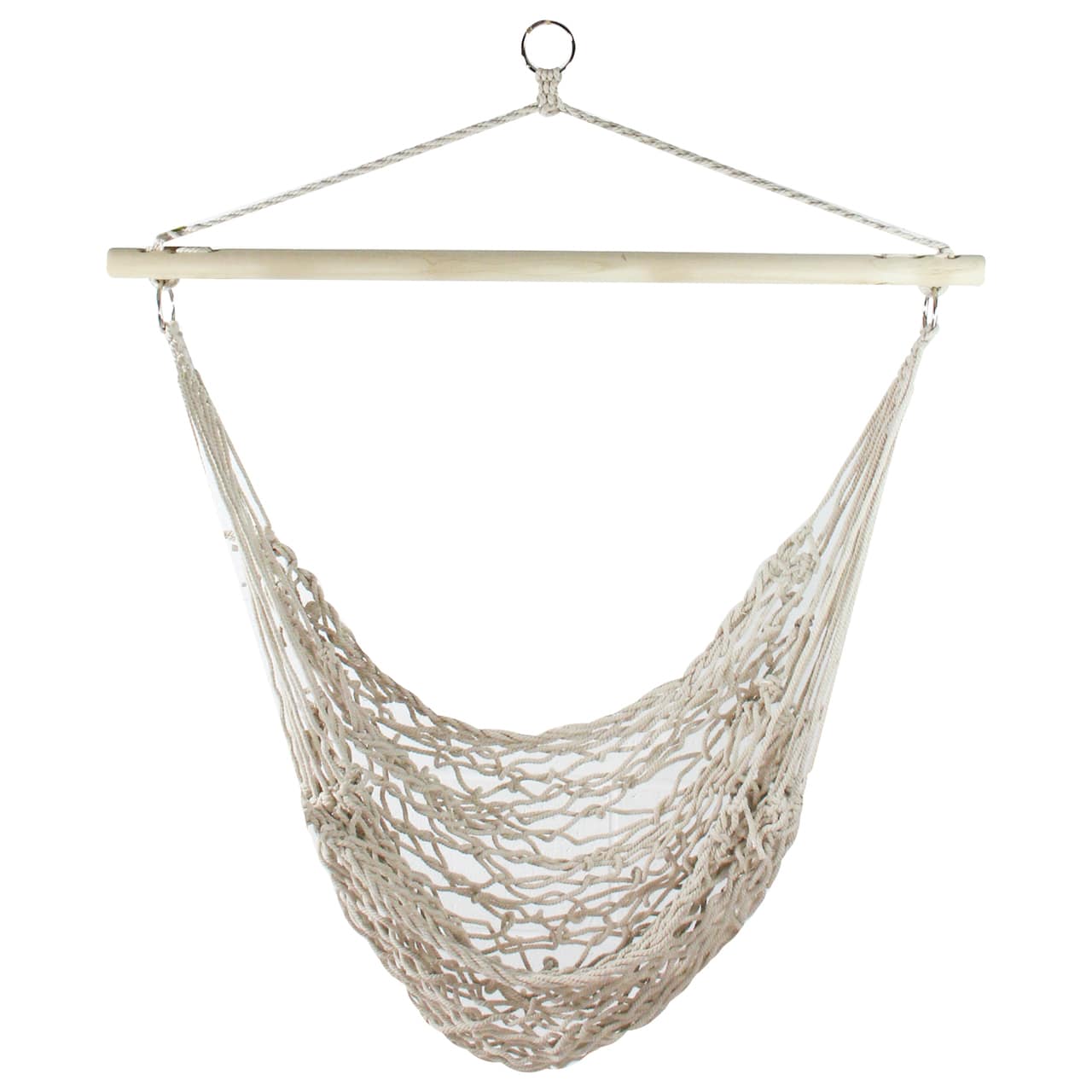
While most hammocks are made to relax and unwind alone, a hammock chair is quite versatile. In addition to taking up less space than a normal hammock would, hammock chairs also provide just as much comfort while keeping you upright in a seated position. Adding this White Cotton Hammock Chair to your patio furniture will let you relax without taking yourself out of a group event.

pool water

3: Take It To The Water:

If you’re looking to use your hammock to soak up the sun, you’re bound to get a little hot. So why not take your hammock poolside! You can jump right into your pool when you need to cool off, or lay in it and dry off when you get out of the water.

hammock next to garden

4: Add It To Your Garden:

Surround your hammock with flowers and succulents for a tranquil spot to lay down. You can set your hammock up right next to the garden you already have, make it the centerpiece for a new garden. Add a stone pathway leading up to your hammock to complete the look.

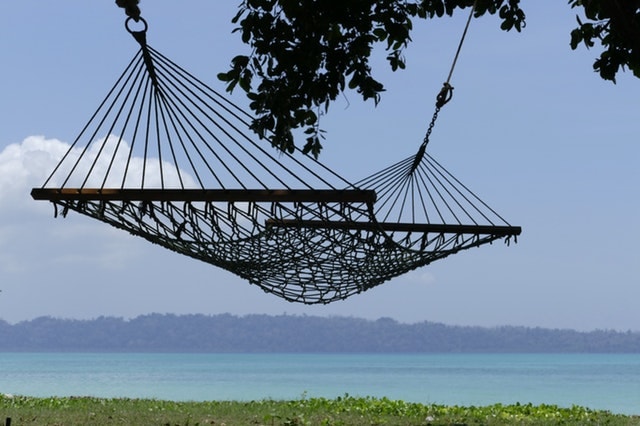
hammock overlooking water

5: Climb Up The Hilltop:

Sometimes all that you really need is a change in perspective. Set up your hammock on a hill or overlook so you that can take in the unique view of the world below as you reflect on the day.

Tips to Making Your Picnic a Success


You can go to all the finest restaurants, but at the end of the day there’s nothing quite like enjoying a simple alfresco meal. Whether it’s for a romantic occasion or a fun outing, now’s the perfect time to gather your supplies and head out for a picnic!
Before you head out, it’s crucial you plan ahead. Take the time to make sure you’ve packed all the essentials. That way, you can just relax and enjoy the day. Below are some tips to make your picnic a success:

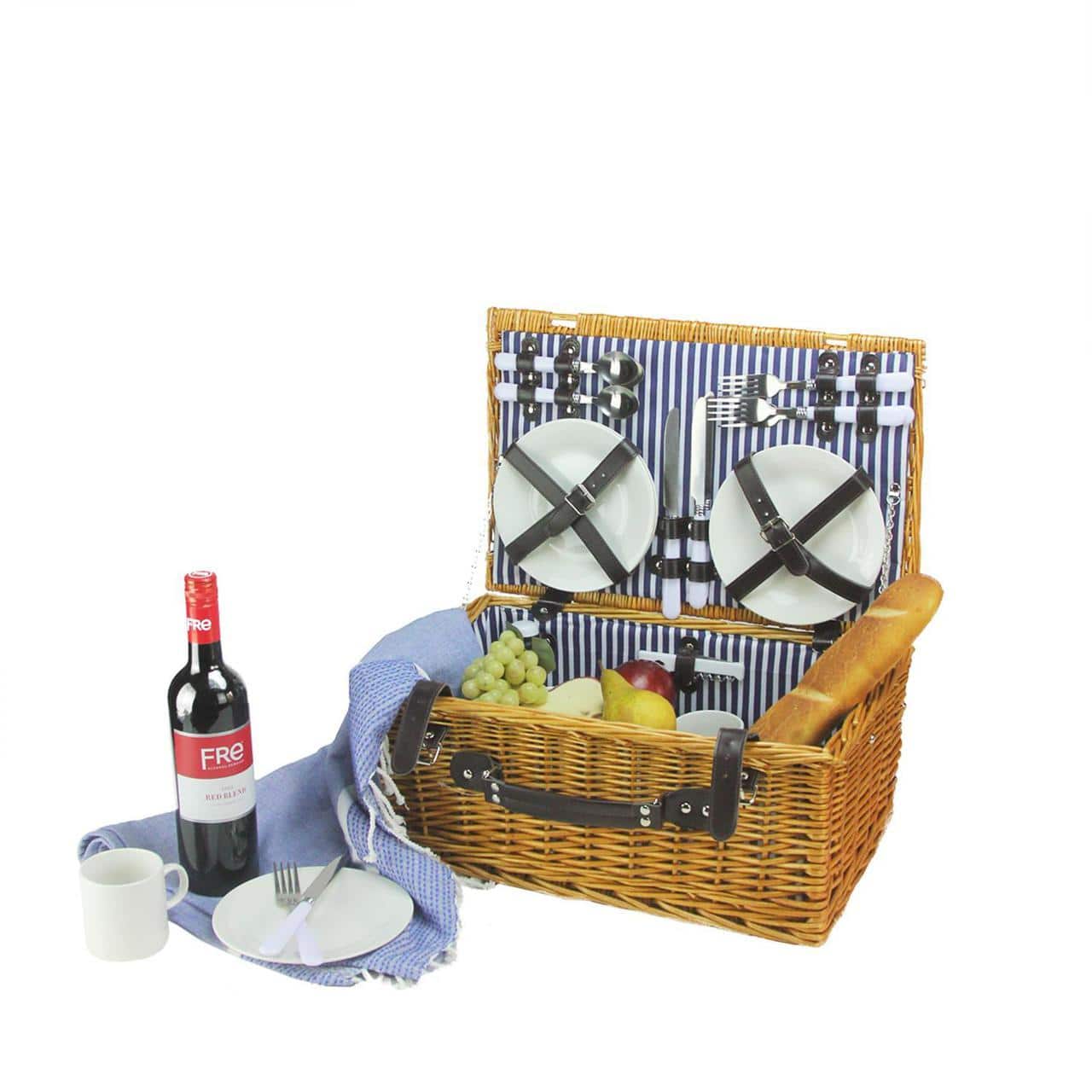
picnic basket

A Sturdy Picnic Basket with All the Essentials:

A perfectly polished picnic baskets shows that you planned ahead. Plus, its so much nicer to eat off of real forks and dishes. Get yourself a stylish picnic basket that will fit everything you need. We have a number of classic picnic basket sets available, complete with all the accessories that you’ll need.

Prep Ahead of Time:

You’re not going to want to slice up all your vegetables on your picnic blanket! Make sure all your food is prepared and ready to serve before you head out. Select easy picnic food like apples, grapes, and sandwiches for convenience.

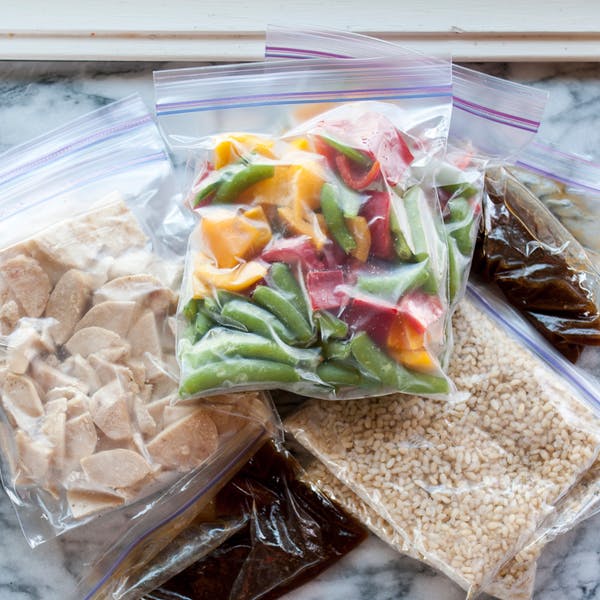
sealed food

Keep Everything Sealed:

Your picnic basket is bound to bounce around a bit, so make sure that all of your food is properly stored and sealed to keep everything from spilling.

Bring Enough Drinks:

You can really bring whatever you want to drink for your picnic. Just make sure to have some extra water packed to keep everyone hydrated.

Keep Your Condiments Small:

You don’t want to fill up your basket with condiments! Bring mini jars or plastic containers of whatever condiments you need. Pro Tip: Keep your dressings and condiments separated from the food until they’re needed to prevent sogginess.

Keep It Cool:

Your food needs to be kept at the right temperature to keep it from spoiling. Bring enough ice packs or bags of ice to make sure everything stays chilled.

Prepare For Cleanup:

Be sure to bring a trash bag to dispose of everything when you’re finished. You also should make sure to bring some paper towels or napkins to use during your meal. Wet wipes and hand sanitizer are always helpful.

Bring a Separate Bag For Other Must-Haves:

Don’t forget to bring something to sit on. Either a throw blanket or some folding chairs will do. You should also pack up sunscreen, insect repellent, and a flashlight. Think about bringing some books,a frisbee, or a board game for fun as well. All of these items should be kept out of your picnic basket, separated from the food.

Tips For A Pet Friendly Home


It’s great being a pet owner, it’s just too bad that your pets can’t help clean up the mess they make! Just because you have a pet, doesn’t meet that your house will turn into a sty. Here are some tips to help you keep your home clean and pet friendly.

Vacuum/Sweep Regularly:

Most pets shed. That means frequent vacuuming, sweeping, and lint rolling is a must. Simply taking out the vacuum or broom twice a week and giving your home a good once-over should get rid of a good amount of the hair.

Bathe And Groom Your Pet Often:

Having a clean pet can help you keep your home clean. Giving your pet a bath will clean them up and eliminate some of the loose hair they were about to shed. Brushing can also eliminate a good amount of hair, while clipping their nails can keep your floors and furniture from being scratched up.
dog furniture

Use The Right Fabric:

Try to find blankets and furniture that is stain resistant and easy to clean. Velvet, tweed and chenille fabrics are pet hair magnets and should be avoided. You’ll also want to steer clear of delicate fabrics like silk that are tough to clean and tear easily. Instead, the rule of thumb is to go with a fabric that has a tight weave. Leather, canvas and synthetic material are a few solid options.

Keep A Clean-Up Area By The Door:

As much as we’d like to avoid it, your dog is bound to get covered in mud every once in a while. Keeping a towel, pet wipes and more by the door can allow for a quick clean up before they run around and spread that mud all over the house.

Avoid Low Furniture:

Having pets around low coffee tables and end tables is a recipe for disaster. These tables are just begging for a cat to jump on them or a dogs wagging tail to knock things over. Candles, glasses, puzzles - nothing is safe on these tables. Think about the layout of your home and decorate accordingly to avoid any mishaps.
dog on wooden floor

Steer Clear of Carpeted Floors:

Carpeted floors will trap odors and pet hair and will soak up pet-related stains. Solid floors, like laminate or hardwood, are much easier to handle when it comes to clean up. If you have the opportunity, opt for solid floors with an area rug or two. That way area rugs can easily be picked up, cleaned, and replaced when necessary.

Don’t Decorate With Fragile Items:

Whether you have a cat or a dog, pets and fragile items simply don’t mix. Avoid buying fragile trinkets and home decor as much as you can. The ones that you do own should be kept safe on high shelves or in cabinets with glass panel doors.

Studies Show Why You May Want To Take A Brisk Walk Today


Mustering up the motivation, let alone making the time to do long workouts, can feel daunting. Luckily, research has found swapping your bus ride for a brisk walk can be just as effective in supporting long-term health. 
Two separate studies have proved that the simple act of walking can lower mortality rates in each sex but for different reasons. 

Let's talk about men. 

A study published in Endocrine Connections found that men who engaged in 30 minutes of low-intensity exercise each day have a decreased risk of developing metabolic diseases that lead to death.
Researchers analyzed data from 703 overweight men and 623 overweight women. The participants' activity levels were on a spectrum of sedentary, moderate, and vigorous.
The aim of the study was to discover how different physical activity levels interacted with the secretion of GLP-1, a hormone that suppresses appetite and lowers blood sugar. 
Results showed that men who participated in moderate exercise (like a brisk walk) for half an hour each day released greater amounts of the hormone, putting them at a lower risk of developing type 2 diabetes, obesity, and other metabolic diseases. Women were active for about 20 minutes per day and did not have the same results, which may be because of the 10-minute difference.


So what do we know about women and walking?

A study published in the JAMA Internal Medicine Journal earlier this year linked the number of steps—not the length of time or the speed of the walking—to lower mortality rates in women. 
Participants were on average 72 years old, and their steps were tracked over the course of a week. When researchers followed up about four years later, they found that women who averaged 7,500 steps had a decreased death rate compared to those who only maxed 4,400. 
While we most commonly recognize 10,000 steps as a healthy average and keep track of these movements on our watches or smartphones, there is little scientific rationale for that number. This study provides a little more insight into the adequate amount of steps needed to maintain health. 
Since this study was conducted on older women, though, striving for more steps (if physically able) can only have positive benefits. 
These different studies promote the same activities, which can be attainable for people of nearly all physical fitness levels, ages, and genders, without much effort. Incorporating walking into your routine can also benefit your mental health, so lace up those sneakers and get moving.


Napping Longer Than 60 Minutes Can Be Bad For Your Health, Study Says


Operating on little to no sleep can lead to dangerous mistakes or poor eating habits. More generally, it can have negative effects on mood and cognitive functioning, which is why doctors often stress the importance of getting six to eight hours of sleep each night. But according to new research, getting too much sleep can be just as dangerous as not getting enough.
A study published in the medical journal Neurology, found that people who regularly took 90-minute naps and slept more than nine hours each night were 85% more likely to have a stroke than moderate sleepers. 
Researchers studied the sleep and nap habits of more than 31,000 participants for six years. Participants were 62 years old on average and had no prior history of strokes or other serious health problems. During the six years, scientists tracked 1,557 stroke cases. 
People who routinely napped for extended periods of time (90 minutes or longer) were 25% more likely to have a stroke compared to people who napped for a maximum of 30 minutes. 
They also found that people who slept more than nine hours each night were 23% more likely to have a stroke than people who slept between seven and eight hours. 
"These results highlight the importance of moderate napping and sleeping duration and maintaining good sleep quality," said author of the study Xiaomin Zhang, M.D., Ph.D., in a news release. 
Other past studies have shown that people who nap for more than 40 minutes typically have higher cholesterol and more fat around the waist, leading to heart problems and metabolic diseases. 
In our busy world, finding time for sleep can be difficult, but we're told to prioritize it nonetheless. This study reveals the importance of practicing balance when it comes to rest. 
Further studies are necessary for scientists to figure out why this association exists. One possible reason is that people who sleep abnormally long hours tend to lead more sedentary lifestyles in general, which is a risk factor for strokes. 
If you've slept a healthy eight hours but are still feeling groggy, try integrating these everyday energy-boosting practices into your routine.